The 2027 BMW i3 is built around sixth-generation eDrive technology, a completely redesigned high-voltage platform that sets a new bar for electric vehicle charging performance. Two numbers define the story: 440 miles of estimated range on a full charge, and 400 kW of peak DC fast-charging capability. Together, they mean shorter stops, longer journeys, and fewer compromises at the plug.
The 800V battery architecture is the engineering foundation behind both figures. Higher voltage allows more power to flow through the system without generating excess heat, which is what unlocks that 400 kW ceiling. For context, most current mainstream electric vehicles top out well below 300 kW. The BMW i3 operates in a different class.
Bidirectional charging adds another dimension. The BMW i3 does not just receive energy, it can also send it back out. Vehicle-to-load, power tools or camping gear, vehicle-to-home, backup power during outages, and vehicle-to-grid, returning energy to the utility grid, are all supported. The vehicle becomes a mobile energy asset, not just a vehicle.
The 800V DC fast-charging system accepts up to 400 kW through the NACS, North American Charging Standard, charge port, which is now the dominant standard at most major U.S. charging networks. For drivers who still encounter CCS-only stations, a CCS adapter is included in the box.
During a fast-charging session, the sixth-generation eDrive battery management system monitors cell temperature, state of charge, and power draw in real time. That active thermal management is what allows the BMW i3 to sustain high charging rates without degrading the battery prematurely.
At home, drivers plug in overnight using a Level 2 AC charger. Because the estimated range reaches 440 miles, most drivers in Grand Rapids and the surrounding region will rarely need to charge beyond their standard overnight routine. One overnight session returns the vehicle to full capacity well before the next morning commute.
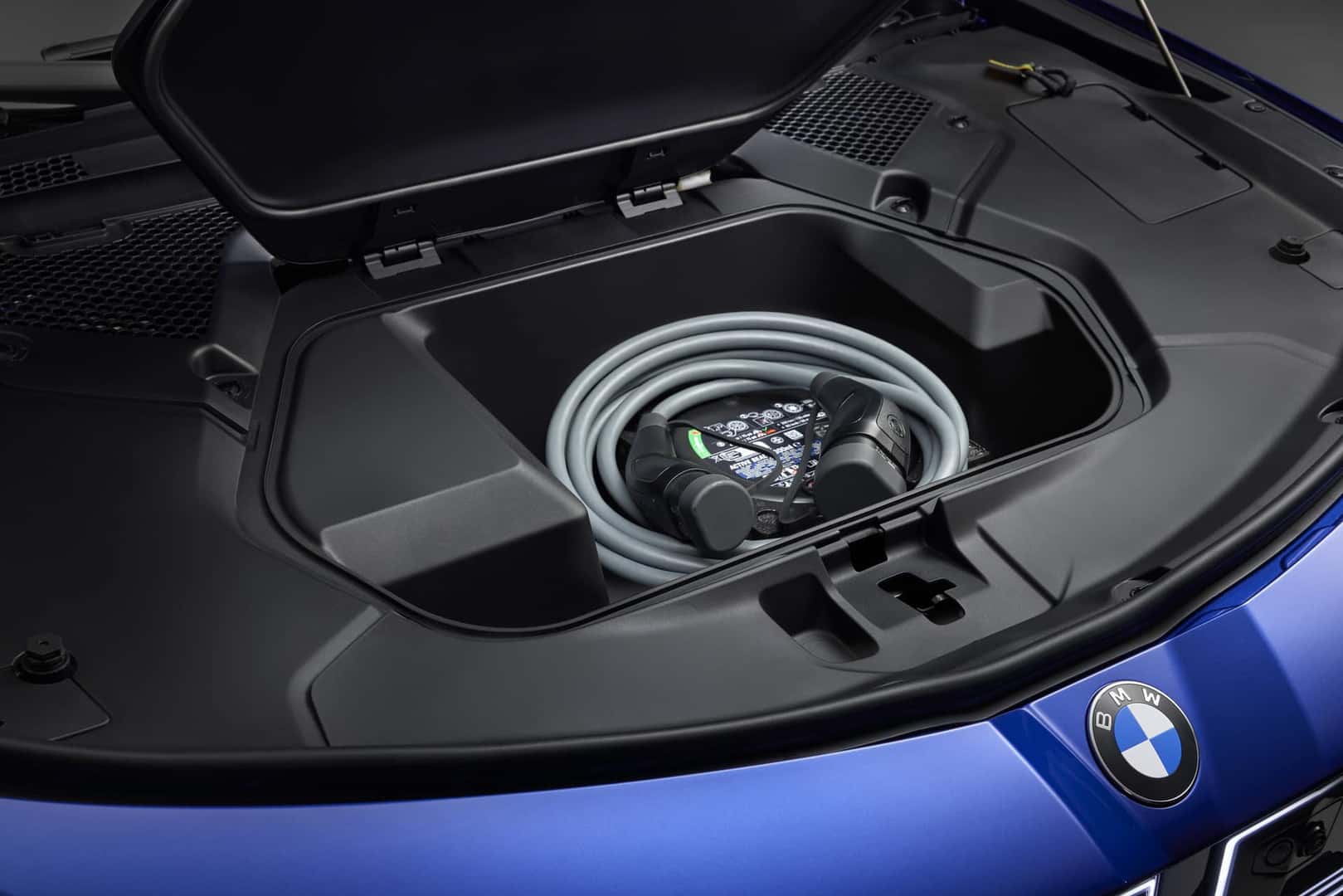
For road trips, 400 kW peak charging means meaningful range can be added in a short stop. The BMW i3 is paired with BMW Operating System X, which can route charging stops automatically based on battery state, destination, and charger availability.
NACS charging standard details
Bidirectional charging operates through the same NACS port. When the vehicle-to-home function is active, the BMW i3 integrates with a compatible home energy system to supply power during outages or peak-rate periods. Vehicle-to-grid capability allows energy to flow back to the utility, which some utility programs compensate through credits.
The 2027 BMW i3 is offered in the i3 50 xDrive configuration. Every feature described on this page, including the 800V architecture, 400 kW DC fast charging, NACS charge port with CCS adapter, bidirectional charging, vehicle-to-load, vehicle-to-home, vehicle-to-grid, and the 440-mile estimated range, is part of that single available configuration.
There is no base model with reduced charging capability or a lower-spec battery. Every buyer gets the full sixth-generation eDrive system, including the high-voltage architecture, fast-charge capability, and bidirectional charging functionality.
Optional additions that support the broader driving context include Adaptive Suspension and the Iconic Glow exterior package, neither of which affects charging or battery performance.
For drivers in Grand Rapids, the 440-mile estimated range comfortably covers a round trip to Chicago, a run to Detroit and back, or a full week of commuting on a single charge. Most drivers will charge at home overnight and never interact with a public charger on a typical week.
When a public charging stop is needed, 400 kW peak charging compresses that stop significantly compared to vehicles on 150-250 kW platforms. A partial charge sufficient for the next leg of a journey can be added in a fraction of the time required by older architectures.
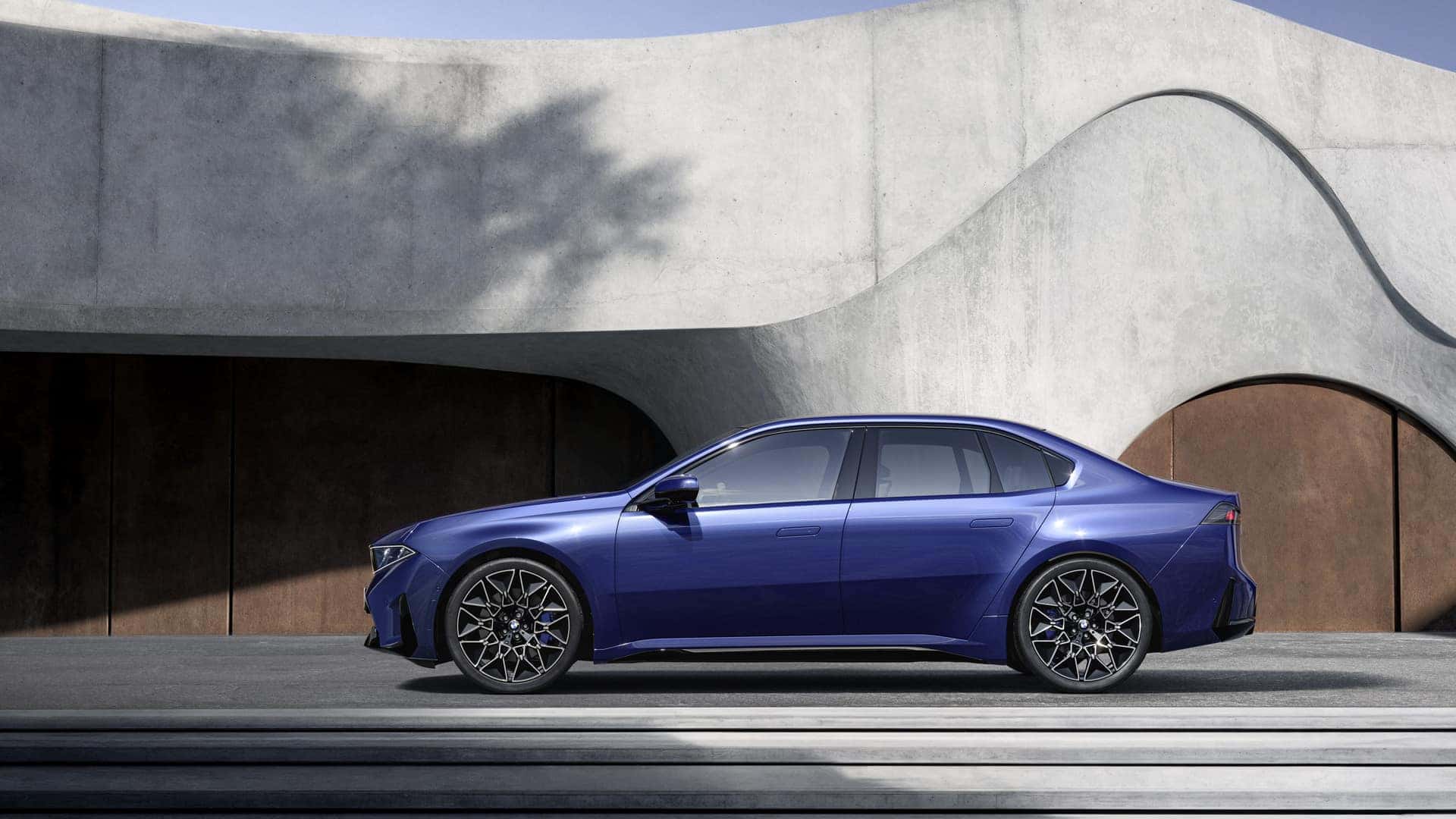
The bidirectional capability adds real household utility. During a power outage, the BMW i3 can supply essential loads. During high-rate evening hours, a home energy system can draw from the vehicle rather than the grid. Those are not hypothetical benefits. They are practical outcomes that arrive with the vehicle on day one.
BMW Dynamic Performance Control and the dual-motor xDrive AWD system also influence range indirectly. By optimizing torque distribution between the front and rear axles moment by moment, the system reduces energy waste compared to less sophisticated AWD approaches. The 463 hp and 476 lb-ft of torque are delivered efficiently, not just forcefully.
No current production electric sedan matches the combination of 440 miles of estimated range and 400 kW DC fast charging in a single package at this segment positioning. Most competitors in the near-premium electric sedan space offer either strong range or fast charging, but rarely both at these levels simultaneously.
Bidirectional charging is also far from universal. Many competing electric vehicles support only one-way charging. The BMW i3 supports three distinct bidirectional modes, vehicle-to-load, vehicle-to-home, vehicle-to-grid, which represents a more complete energy management system than most rivals offer at any price point.
The NACS port standard removes the adapter friction that CCS-only vehicles still face at Tesla Supercharger locations, which represent a large share of the U.S. fast-charging footprint. The included CCS adapter ensures the BMW i3 remains compatible with the remainder of the charging network.
The 2027 BMW i3 pairs an estimated 440 miles of range with 400 kW fast charging and full bidirectional capability, a combination that redefines what a production electric sedan can offer. Sharpe BMW in Grand Rapids is the local resource for i3 information, inventory updates, and test drives as the 2027 model year arrives. Connect with the team today to get on the list or ask any questions about the charging system, the 800V platform, or what ownership looks like in Michigan.
The 2027 BMW i3 supports up to 400 kW DC fast charging through its 800V architecture. That is one of the highest peak charging rates available on any production electric vehicle. Home Level 2 AC charging is also supported for overnight top-ups.
The 2027 BMW i3 has an estimated range of up to 440 miles on a full charge under ideal driving conditions. Actual range will vary based on driving style, temperature, speed, wheel selection, and other factors.
The BMW i3 uses the NACS, North American Charging Standard, charge port, which is compatible with the Tesla Supercharger network and most major public charging networks. A CCS adapter is included for stations that have not yet transitioned to NACS.
Yes. The BMW i3 supports three bidirectional charging modes: vehicle-to-load, powering devices or equipment, vehicle-to-home, supplying your home during outages or peak rate periods, and vehicle-to-grid, returning energy to the utility grid.
The 800V battery architecture means the system operates at a higher voltage than the 400V platforms common in most electric vehicles. Higher voltage allows faster charging without excessive heat generation, which is how the BMW i3 reaches the 400 kW fast-charging ceiling and sustains it safely.
The BMW i3 sedan will be available in the U.S. starting in 2027. Contact Sharpe BMW in Grand Rapids to register your interest and receive updates as availability information is confirmed.
All charging features, including the 800V architecture, 400 kW DC fast charging, NACS charge port, CCS adapter, and full bidirectional charging capability, come standard on the i3 50 xDrive. None of these are optional add-ons.