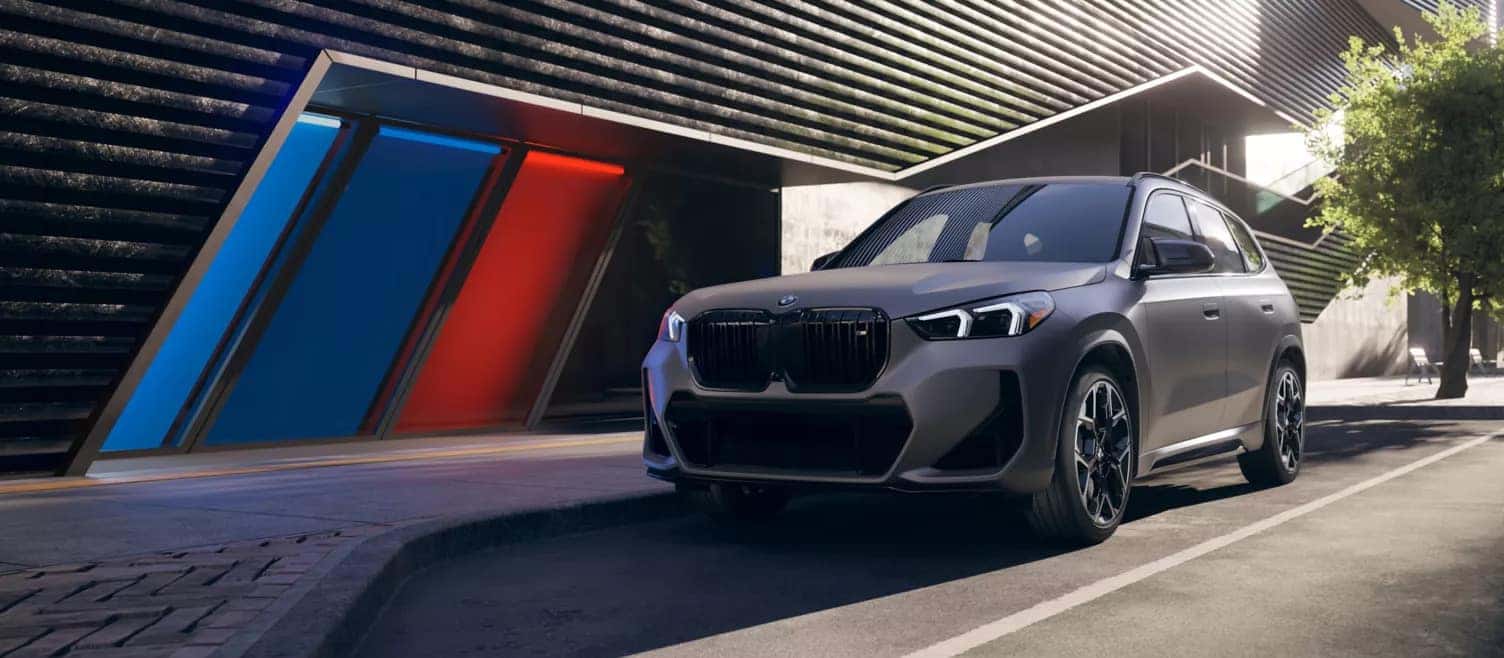
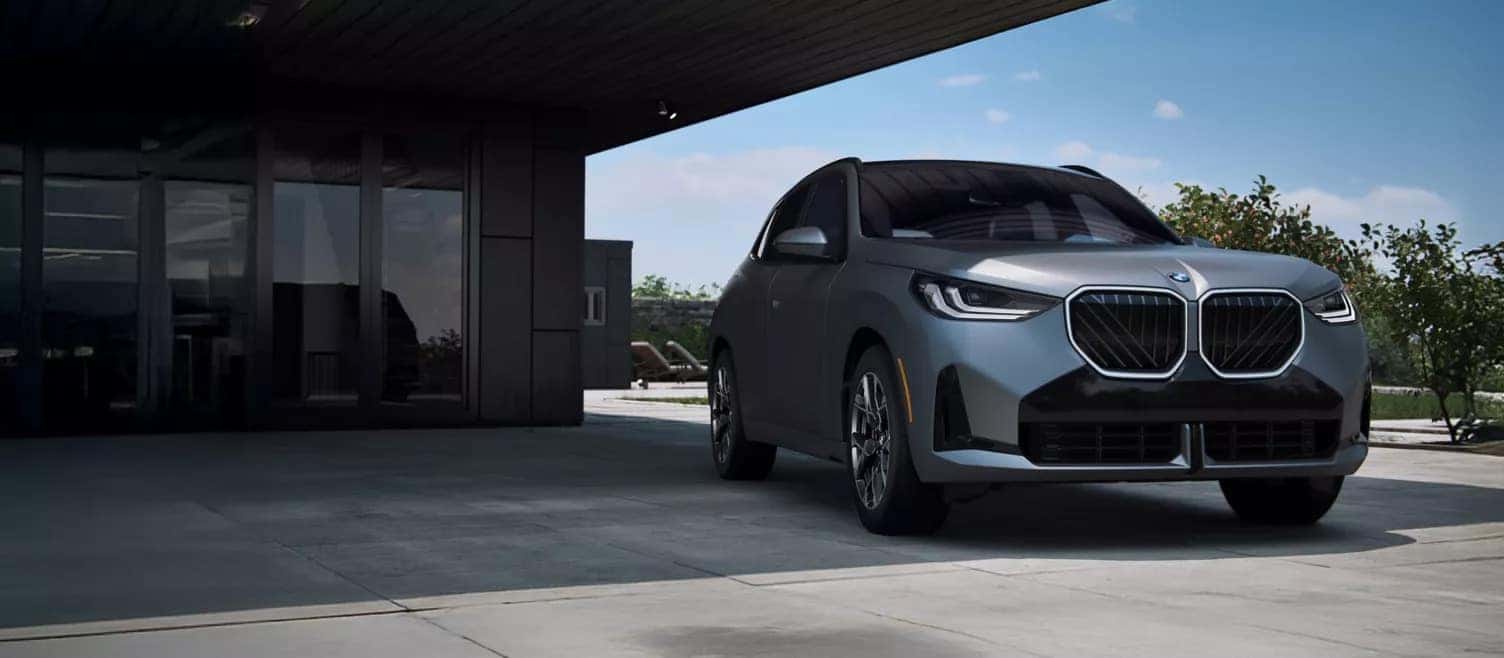
For West Michigan drivers visiting Sharpe BMW, the 2026 BMW X1 and BMW X3 represent two distinct approaches to luxury utility. While the X1 is engineered on a transverse-engine architecture for maximum interior volume in a small footprint, the all-new fourth-generation X3 utilizes a longitudinal platform that prioritizes highway composure and towing strength.
| Engineering Metric | 2026 BMW X1 (xDrive28i) | 2026 BMW X3 (30 xDrive) |
|---|---|---|
| Overall Length | 177.2 inches | 187.2 inches |
| Wheelbase | 106.0 inches | 112.8 inches |
| Standard Horsepower | 241 hp | 255 hp |
| Max Towing Capacity | 3,500 lbs | 4,850 lbs |
| Cargo Space (Seats Up) | 25.7 cu ft | 31.5 cu ft |
| Cargo Space (Max) | 57.2 cu ft | 67.1 cu ft |
| Software Interface | BMW iDrive 9 | BMW iDrive 9 |
The mechanical differences between these two SAVs (Sports Activity Vehicles) become most apparent when navigating the diverse terrain of West Michigan.
BMW X1. |
BMW X3. |
|---|---|
 |
 |
|
|
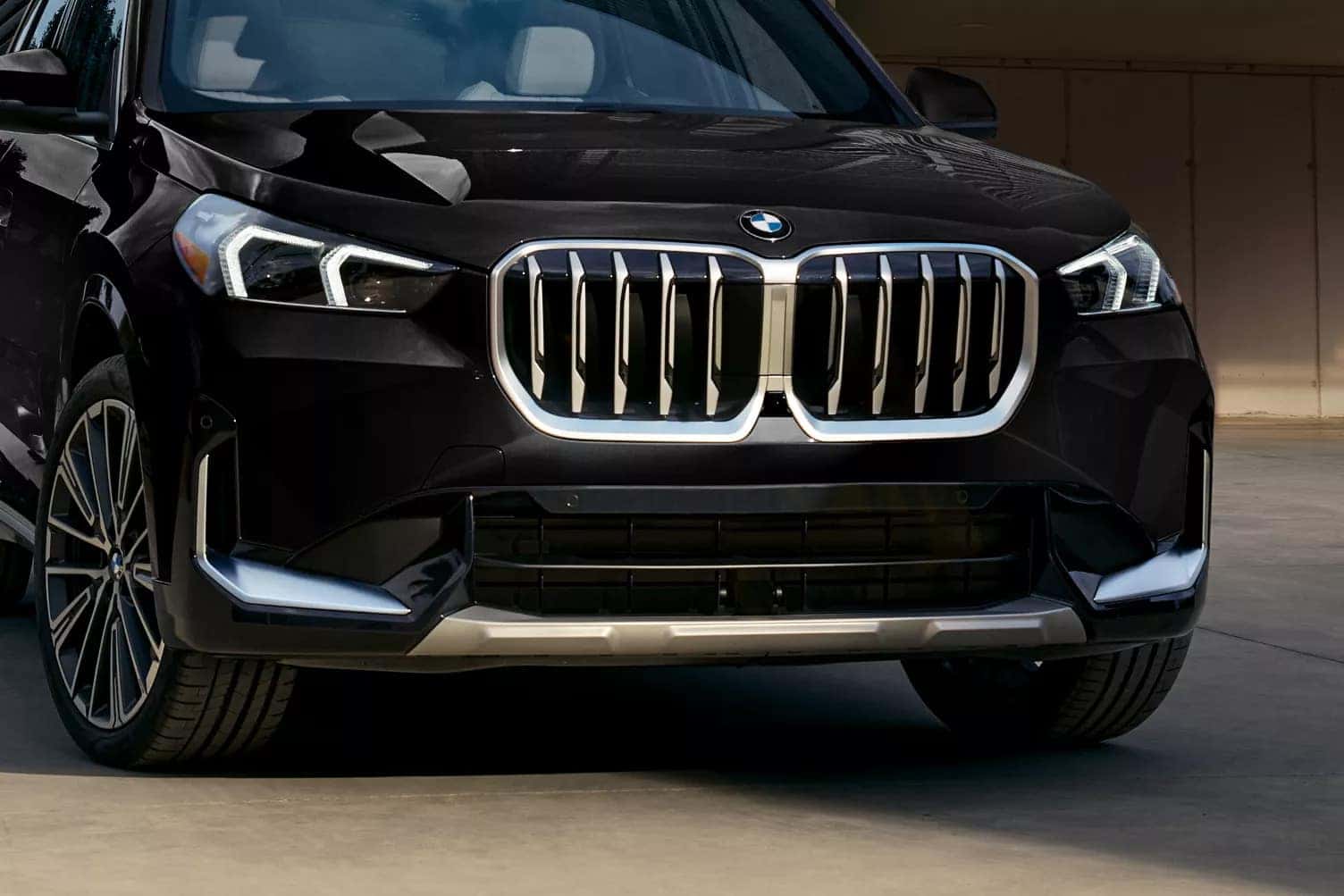
Interior Architecture: Both models now feature the BMW Curved Display, but their interaction models differ slightly. The X1 features a streamlined, “buttonless” dashboard optimized for touch-first iDrive 9 interaction, while the X3 maintains a more driver-focused cockpit with a larger 14.9-inch screen and premium upholstery options like Merino leather.
 |
If towing is a requirement, the technical gap is clear: the X1 is remarkably capable for its size at 3,500 lbs, but the X3 offers the heavy-duty option with a 4,850 lb max rating. For performance enthusiasts, the X3 M50 (393 hp) provides a level of straight-line authority (4.4s 0-60) that exceeds the high-performance X1 M35i (312 hp, 5.2s 0-60). |
|---|